
How Inside-Out Learning Eliminates Bullying — and Helps Sensitive Kids Thrive
One of the most surprising—and meaningful—outcomes we’ve seen through Inside-Out learning is this:
Bullying simply doesn’t emerge.
Not because we enforce strict behavioral rules.
Not because kids are constantly supervised.
But because the conditions that create bullying never take root in the first place.
Why Bullying Often Appears in Traditional School Settings
In many traditional environments, kids are placed into systems built on comparison and competition:
Grades rank students against one another
Praise goes to the fastest, loudest, or most dominant
Classrooms reward conformity over individuality
Social hierarchies form quickly
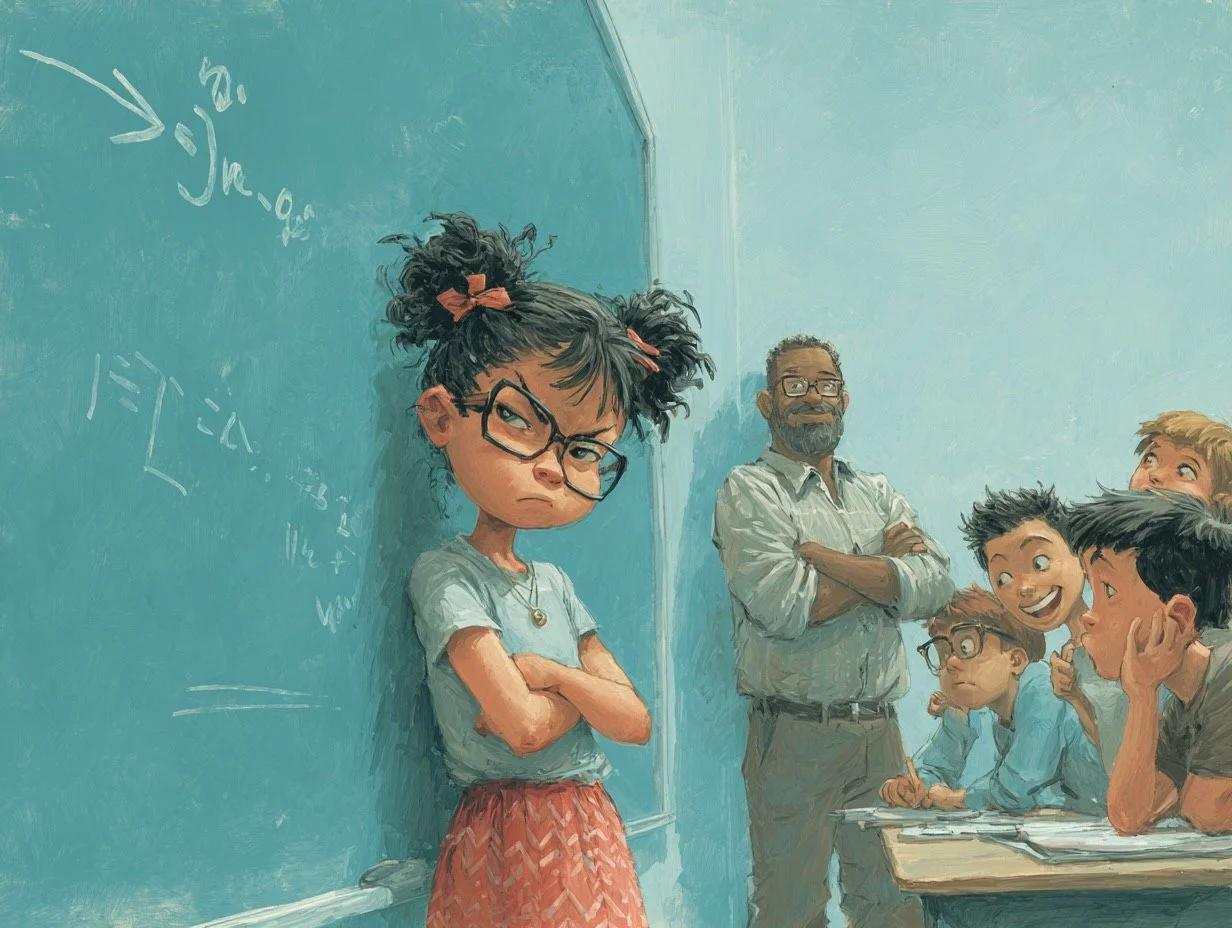
In these environments, sensitive kids—especially those who are creative, introspective, or neurodivergent—often learn an unfortunate lesson:
“It’s safer to shrink.”
We’ve seen this pattern repeatedly in students who come to us:
Kids who hang back
Kids who withdraw socially
Kids who dim their curiosity or creativity
Kids who have been teased, ignored, or bullied for being “different”
This is especially true for children on the autism spectrum, who may already feel out of sync with group dynamics built around dominance or social performance.
Inside-Out Learning Changes the Social Equation
Inside-Out learning flips the model entirely.
Instead of asking:
“How do you compare to others?”
We ask:
“Who are you becoming compared to who you were yesterday?”
This simple shift—competition with self instead of competition with others—changes everything.
Genius Zone Learning: Where Every Child Has a Place
Through Genius Zone project-based learning, each child works on projects aligned with:
Their interests
Their natural creativity
Their personal pace
Their unique style of expression
There is no single “right” project.
There is no hierarchy of “best” work.
There is no reward for outperforming someone else.
As a result:
Kids stop posturing
Kids stop comparing
Kids stop competing for dominance
And something remarkable happens…
Sensitive and Shy Kids Begin to Emerge
When children feel psychologically safe, their nervous systems relax.
When they know they won’t be judged, ranked, or embarrassed:
Shy kids start speaking up
Quiet kids start sharing ideas
Neurodivergent kids stop masking
Creative kids take risks
We’ve watched students who once stayed silent begin to:
Lead discussions
Share their projects with pride
Support classmates enthusiastically
Express themselves authentically
They didn’t need to be “fixed.”
They needed to be safe.
A Culture Where Kids Become Each Other’s Cheerleaders
Because no one is competing against anyone else, something unexpected emerges:
Kids start rooting for each other.
In our learning environments:
Success is celebrated collectively
Progress is personal, not comparative
Differences are valued, not targeted
Students naturally encourage one another because:
Another child’s success doesn’t threaten them
Creativity isn’t scarce
Confidence isn’t a limited resource
This creates a culture of mutual respect, empathy, and kindness—without forced social-emotional lessons.
Especially Powerful for Neurodivergent Kids
For students on the spectrum or with heightened sensitivity, Inside-Out learning can be transformative.
Instead of navigating:
Loud classrooms
Competitive dynamics
Unspoken social hierarchies
They experience:
Predictable emotional safety
Respect for differences
Freedom to engage at their own pace
In this environment, neurodivergent students are not “othered.”
They are seen, valued, and loved.
And that changes how they see themselves.
Why “Competition With Self” Accelerates Growth
Ironically, removing competition with others doesn’t slow growth—it accelerates it.
When kids focus on:
Their own progress
Their own goals
Their own creative expression
They become:
More motivated
More confident
More resilient
More willing to try hard things
Growth becomes intrinsic—not driven by fear of failure or comparison.
The Deeper Lesson
What we’ve learned is simple, but profound:
When children feel safe, they grow.
When they feel valued, they shine.
When they aren’t competing for worth, they discover it within themselves.
This is the heart of Inside-Out learning.
Is This the Environment Your Child Needs?
Families who resonate with this approach often tell us:
Their child is sensitive, creative, or introspective
Traditional school environments felt overwhelming or unsafe
They want learning to build confidence—not anxiety
They want their child to be themselves
If that sounds familiar, a short conversation can help explore whether this model is a good fit.